Behind the scenes at the Garden Museum
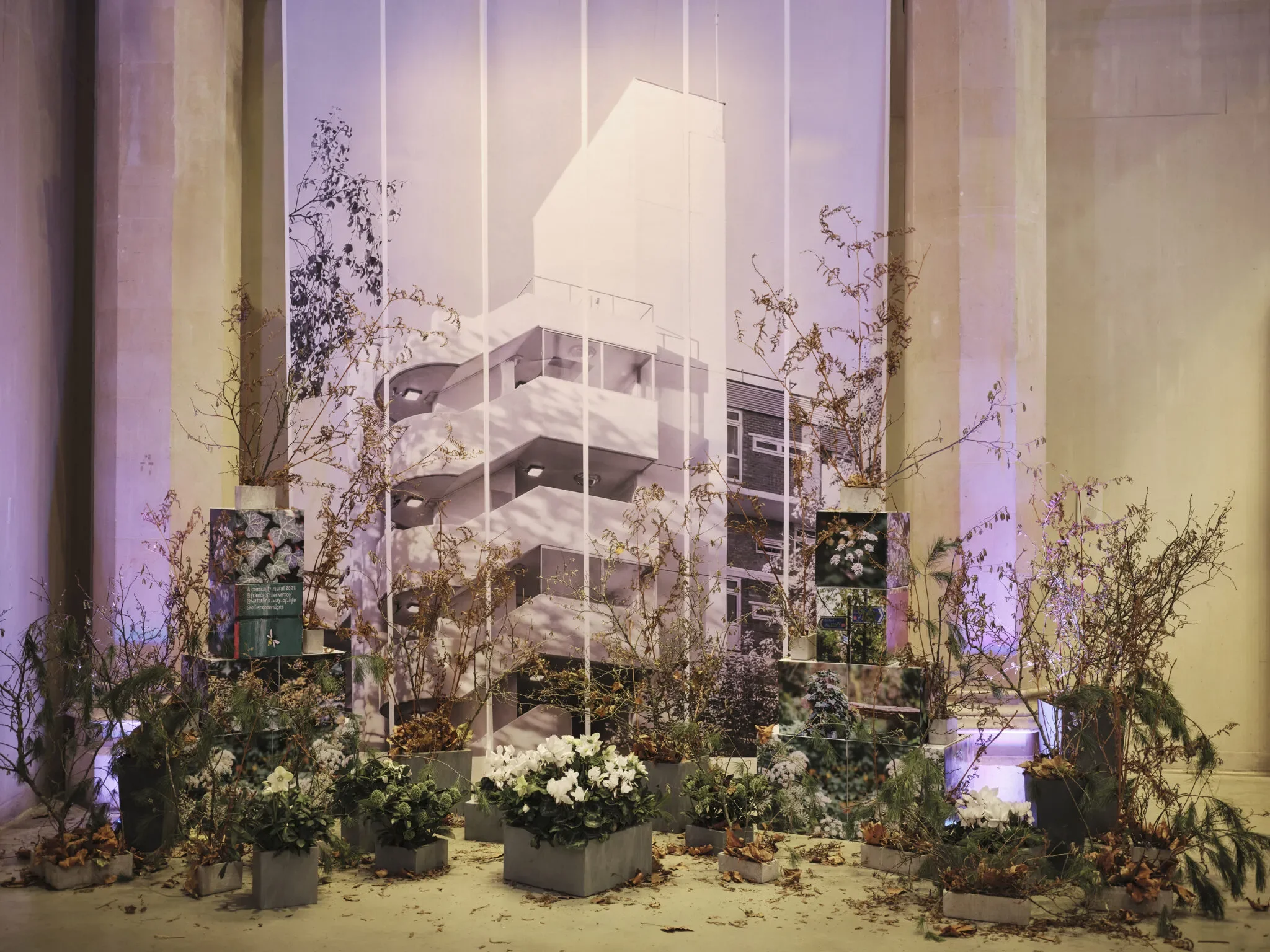
Being part of Winter Flowers Week 2025 at the Garden Museum was a very special experience for me.
To have the opportunity to create a floral installation inside such a beautiful and inspiring setting, alongside florists Joanna Game, Layla Robinson, Millie Richardson and Stuart Fenwick, was something I was incredibly proud to be part of.
Winter Flowers Week ran from 27 November to 1 December, and the whole idea behind the exhibition really resonated with the way I like to work. Sustainability was at the heart of the event, with all five designers working with British-grown seasonal flowers and foliage, as well as environmentally friendly materials and methods.
Working with winter
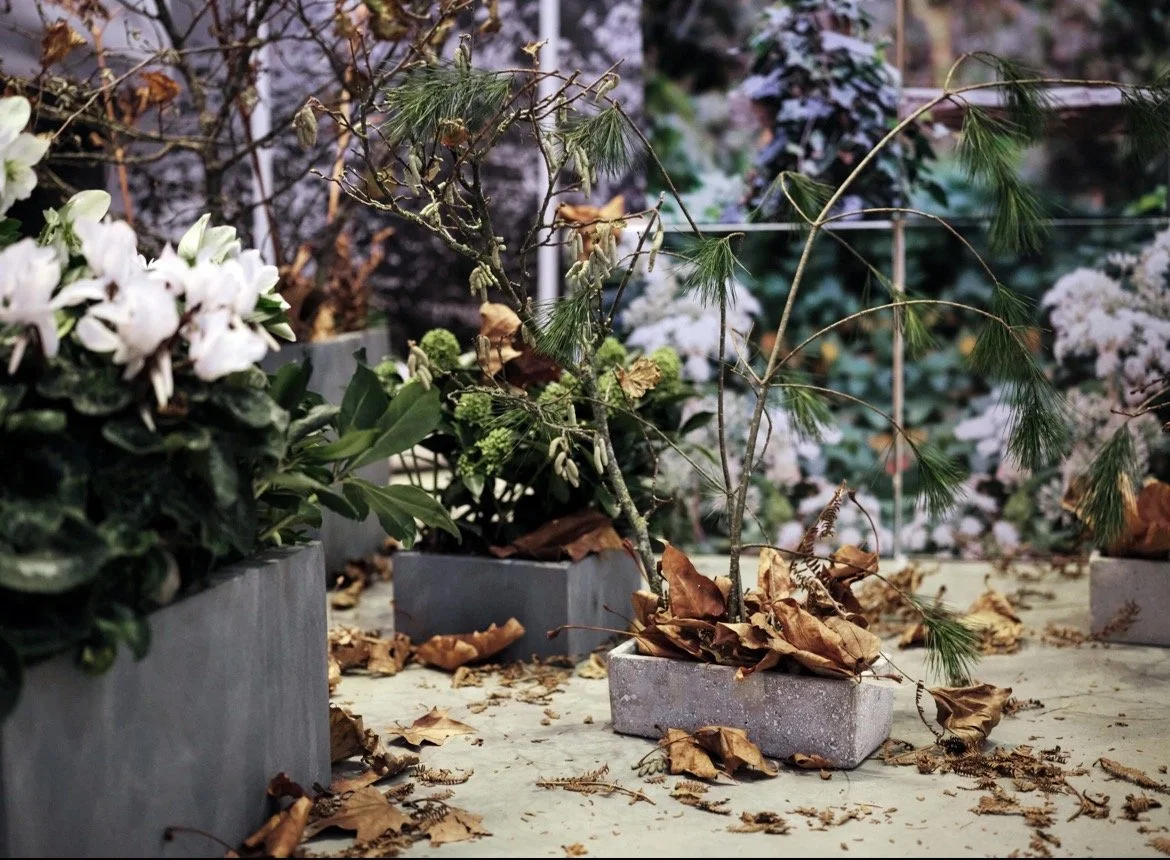
Winter floristry has its own character. There is something wonderful about being limited by the season and having to really look at what is available. Instead of reaching for flowers from all over the world, I wanted to embrace the beauty of what winter here in Britain has to offer. For me, seasonality encourages creativity.
It makes you look differently at foliage, branches, seed heads, dried materials and flowers that perhaps don't immediately seem as obvious as the traditional festive choices. The challenge is to take those ingredients and create something that feels magical while still allowing the natural materials to speak for themselves.
Creating something for the Garden Museum
There is always something slightly daunting about creating work for an exhibition.
When I am working on weddings and events, I am creating something for a particular couple, a particular space and a particular moment. With an exhibition, there is a different kind of freedom — but also a different responsibility.
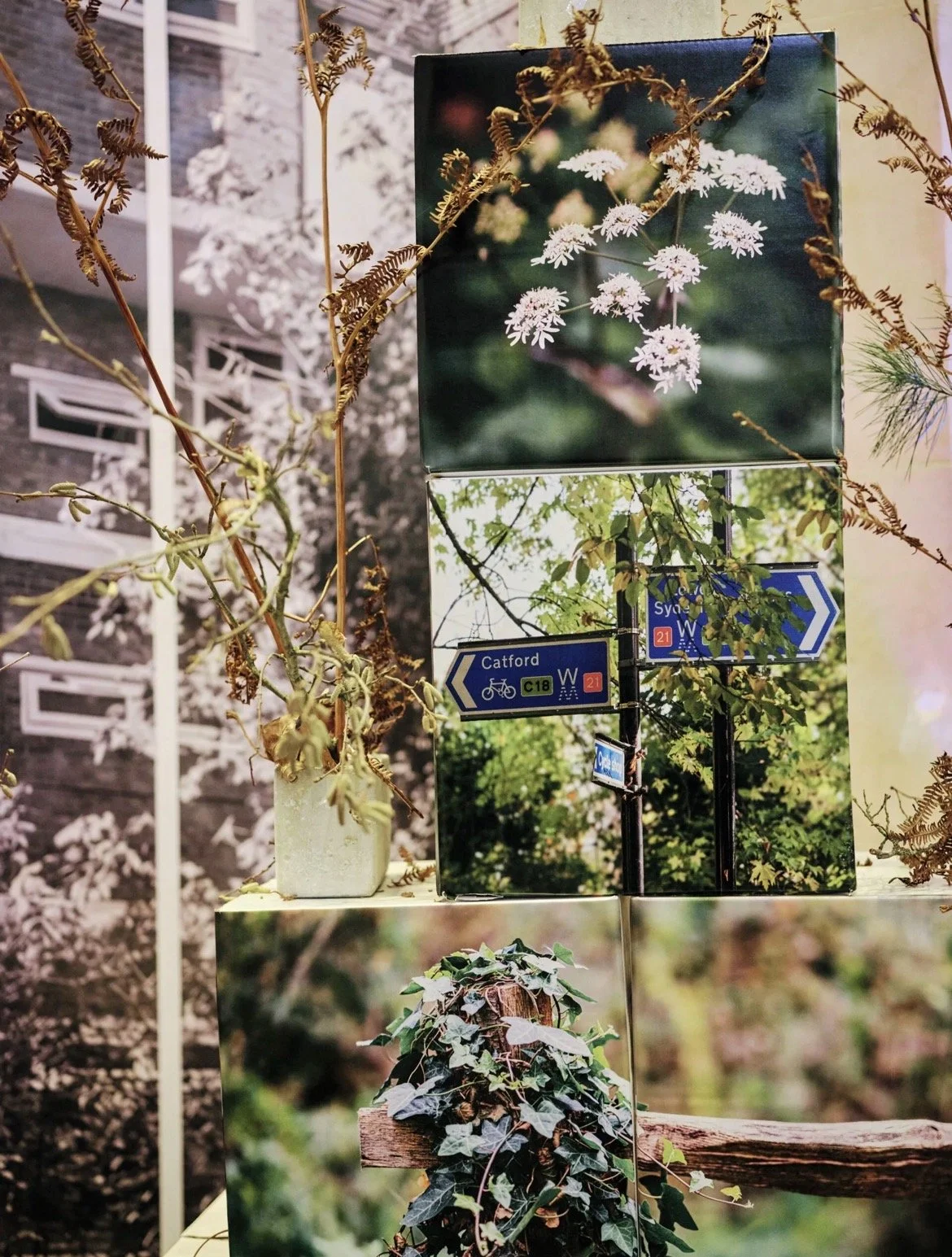
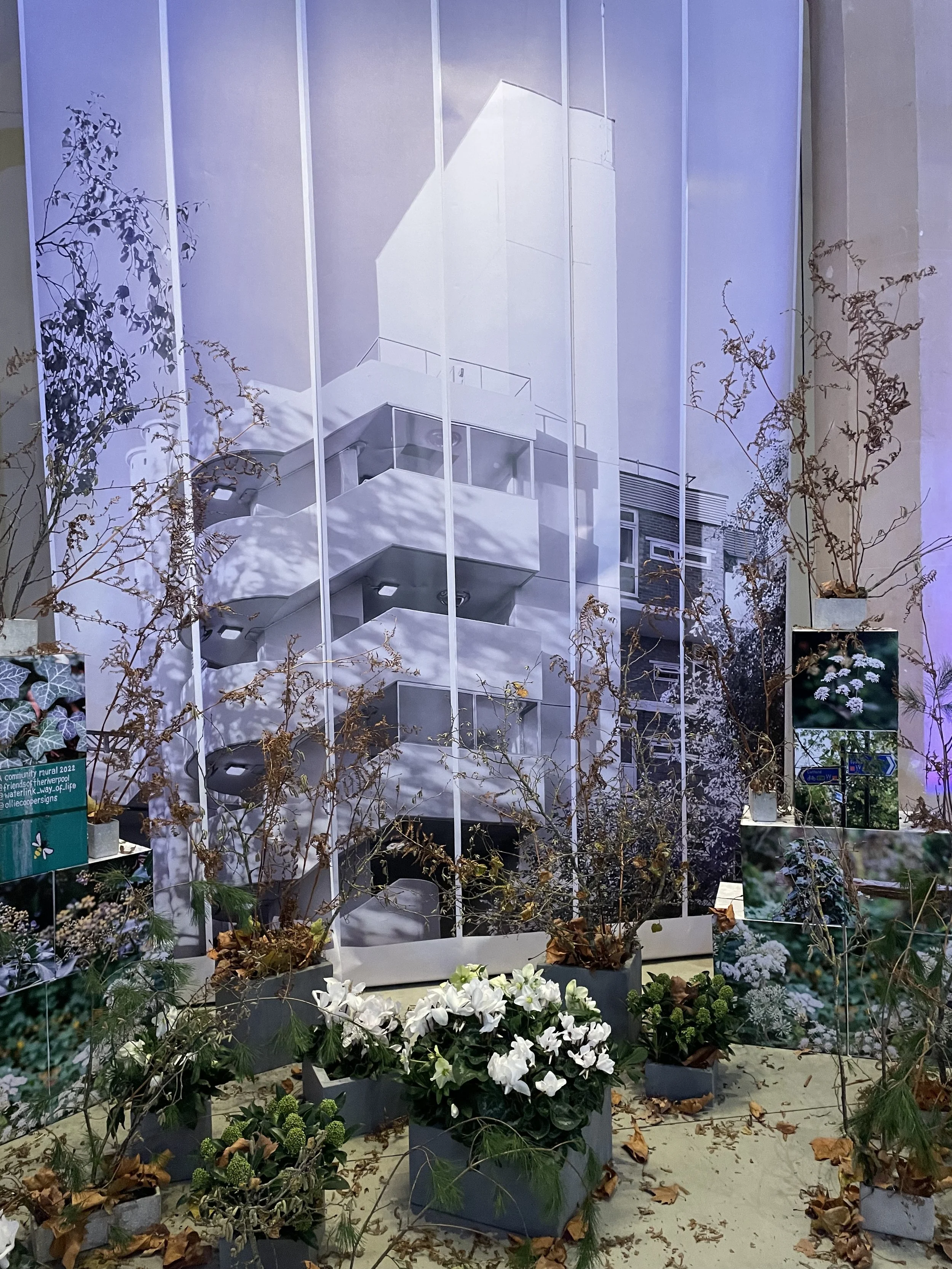
People are coming specifically to look at the work. I wanted my installation to represent where I live in Catford, South East London, highlighting the importance of nature in a built environment , seeking out beauty in the most surprising places. The Garden Museum was the perfect setting for this.
Being part of a group
One of the things I particularly enjoyed was being part of a group of designers with such different styles and approaches. We all had our own creative voices, but we shared a common interest in sustainability and in improving the way we think about floristry. That made the experience feel less like a competition and more like a conversation.
It was fascinating to see how five designers could take the same broad idea — winter, British-grown flowers, foliage and sustainable practice — and interpret it in completely different ways. For me, that is one of the most exciting things about flowers. There isn't one right way of doing things.
Sharing ideas and knowledge
The week wasn't only about looking at the installations.There was also a panel discussion on the opening night, bringing the designers together to talk about their work and sustainability in floristry. There was a Friday Late event too, with music, floral activities and the chance for visitors to spend time amongst the installations.I love those opportunities to talk to people about flowers.
Floristry can sometimes look effortless when you see the finished arrangement, but there is so much thought behind it — where the materials come from, how they are conditioned, how long they will last and what happens to everything afterwards. For me, sustainability isn't simply a trend. It is something I think about as part of being a florist.
Looking back
Taking part in Winter Flowers Week made me think about how much my own floristry has evolved. When I first started in floristry, I was learning the fundamentals and discovering my own creative language. Since then, I've worked across weddings, events, freelance floristry and my own business, Floral Evolution. Every experience teaches you something.
And I think that is why opportunities like Winter Flowers Week are so valuable. They give you the chance to step outside your everyday work, experiment and create something simply because you have an idea you want to explore. I came away from Winter Flowers Week feeling inspired — by the flowers, by the setting, by the other designers and, most importantly, by the conversations around sustainable floristry.
It reminded me why I love what I do. Flowers are constantly changing with the seasons, and as florists, I think we should keep changing and learning with them.That is where the real creativity happens.
Want to collaborate on a floral installation or community project?