What it’s like to write a floristry book
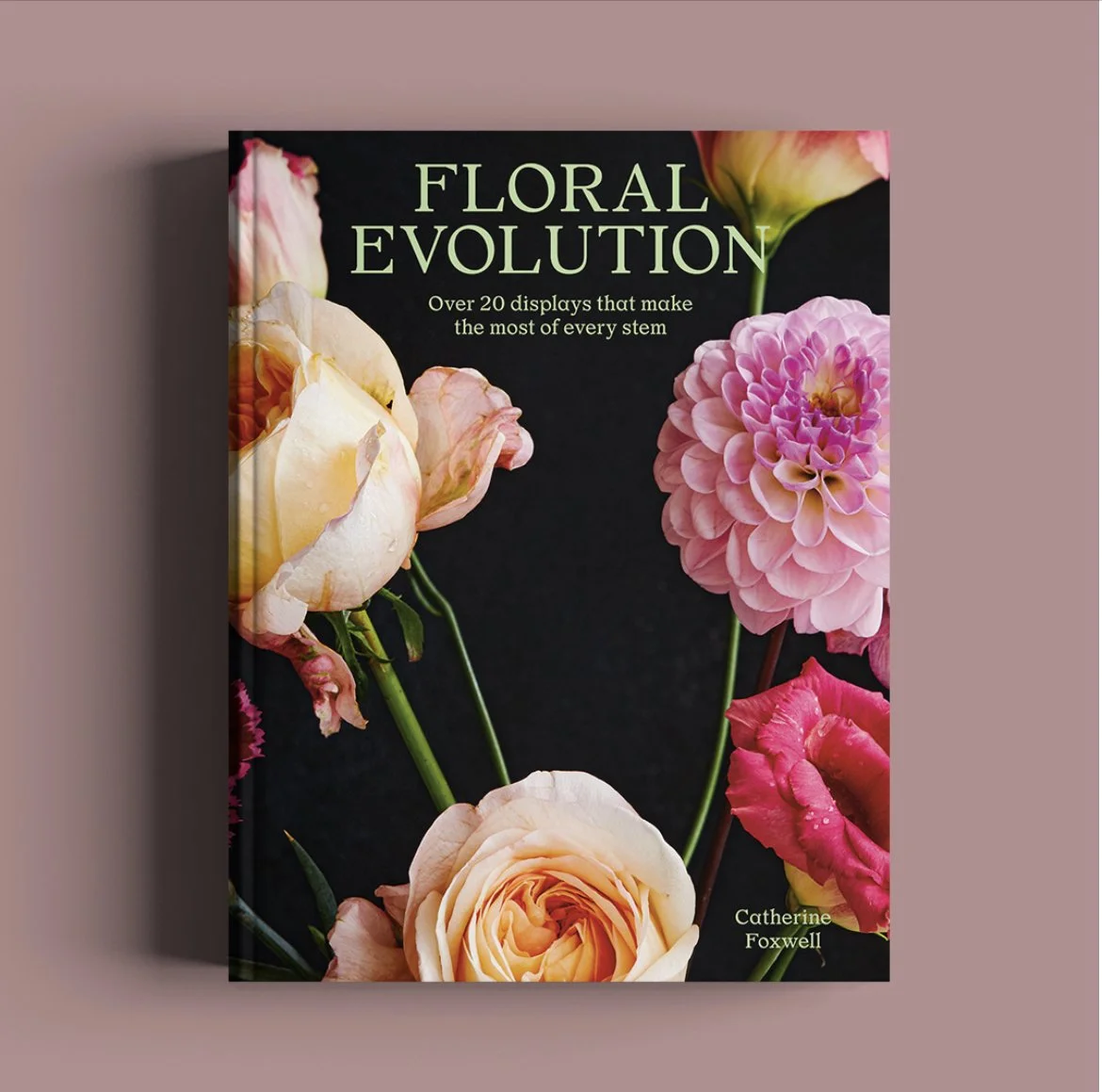
When I first started thinking about writing Floral Evolution, I don't think I fully appreciated what it would mean to take something that had become such a natural part of my life and put it into a book.
Floristry had been my world for many years. I had learnt through courses, through working in flower shops, through freelancing, through weddings and events, and, perhaps most importantly, through simply working with flowers day after day.
Writing a book meant stopping and thinking about all of that experience.
It meant asking myself: What do I really want people to know? What can I share that might encourage someone else to have a go? And how can I make floristry feel exciting rather than intimidating?
From flowers to words
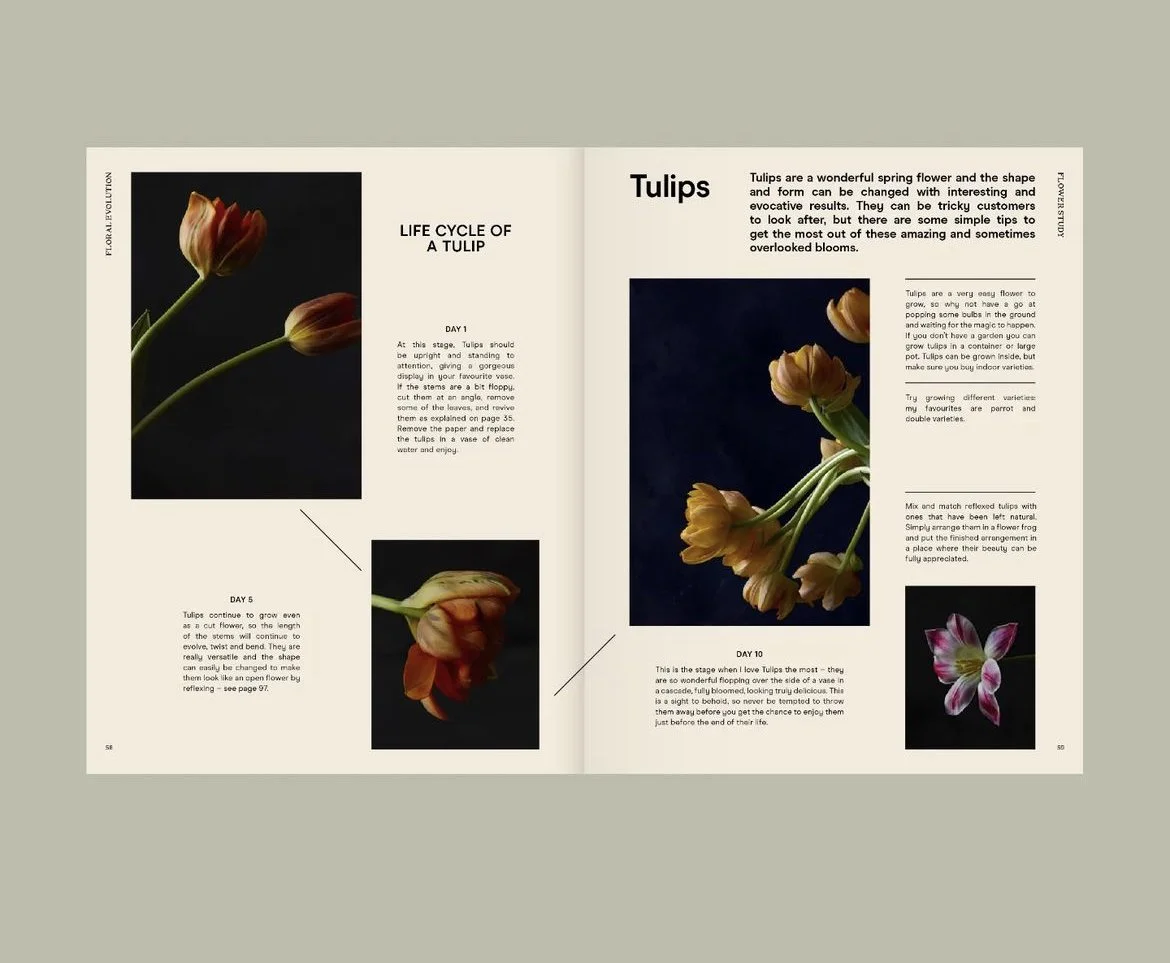
I'm very much a hands-on person. I love having flowers in front of me and working things out as I go.
You can take a stem, put it somewhere, move it again, and suddenly the whole arrangement changes. That process of experimenting is one of the things I love most about flowers.
Writing is obviously very different.
You can't simply pick up a flower and show someone what you mean. You have to find the words. You have to explain an idea, break it down and think about how another person might approach it.
That was one of the challenges — taking years of practical knowledge and turning it into something that would make sense on the page.
Keeping it real
I wanted Floral Evolution to feel accessible.
I've never believed that you have to have the most expensive flowers, the biggest collection of equipment or a huge amount of experience to create something beautiful.
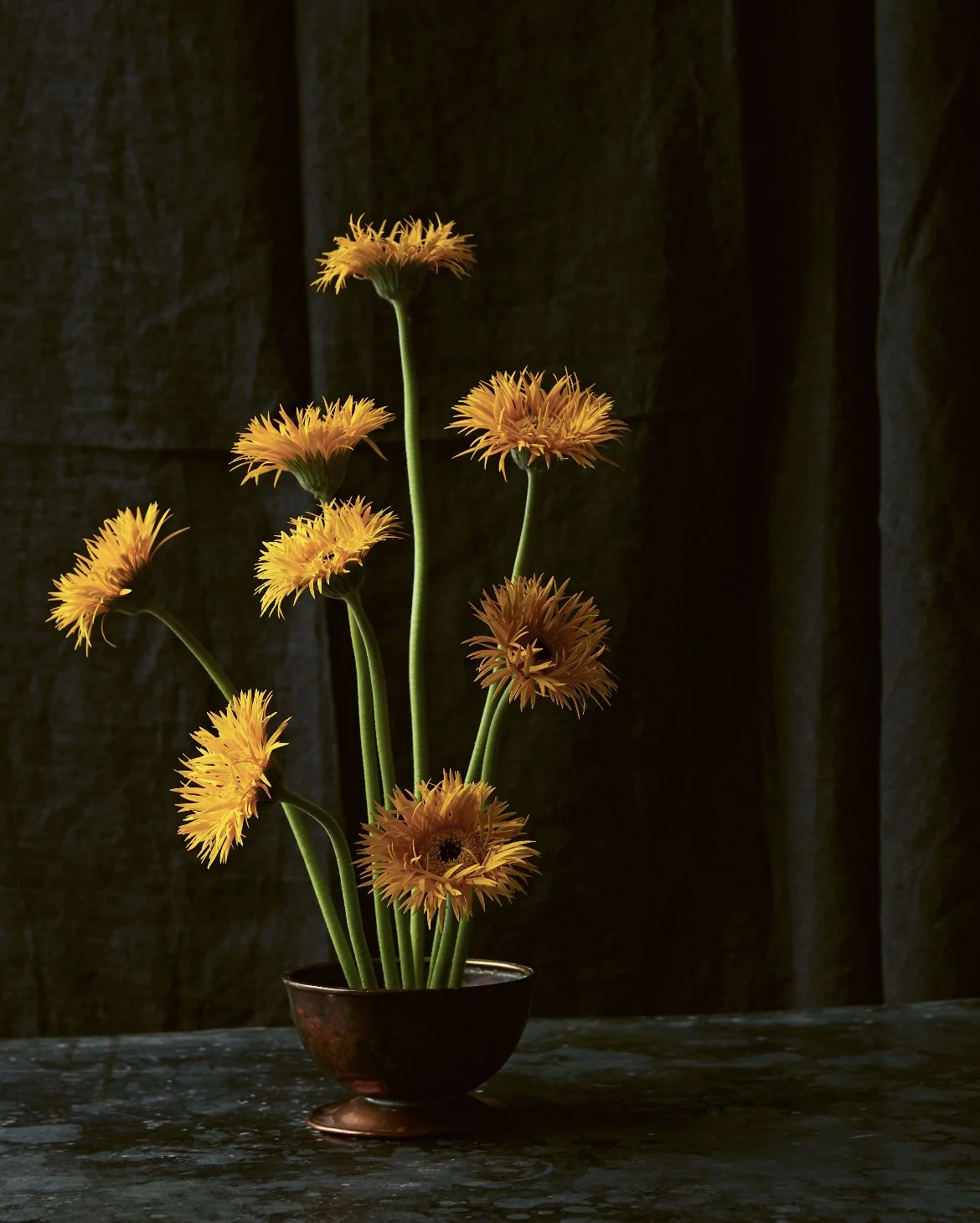
Some of my favourite arrangements come from simply looking at what is available and seeing the possibilities.
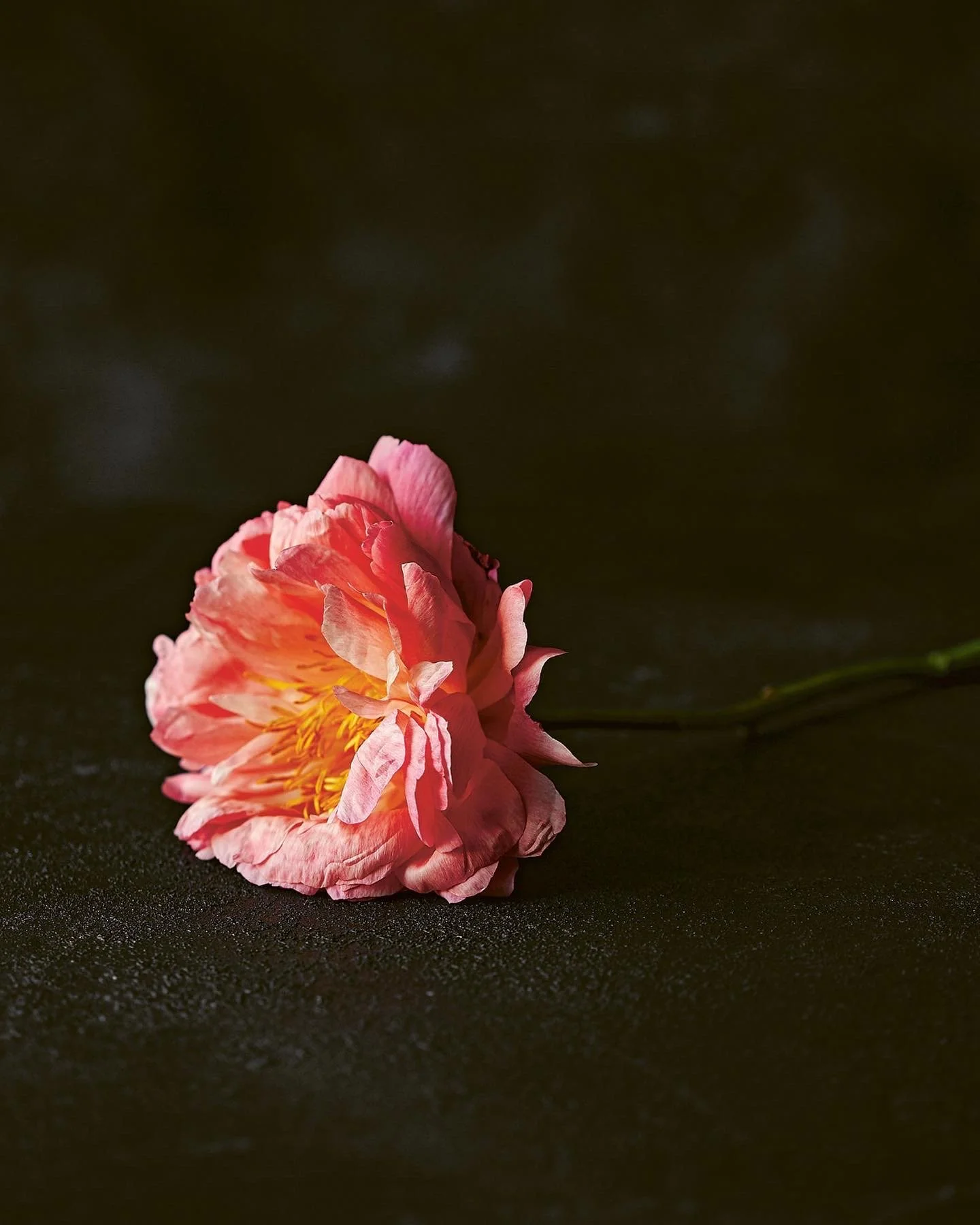
Flowers don't have to be perfect either. In fact, I think some of their beauty comes from the fact that they aren't.
A stem might bend in an unexpected direction. A flower might open more quickly than you expected. Something you thought would work might not work at all.
And that's okay.
I think there is a lot to be learnt from experimenting rather than trying to get everything right the first time.
Finding your own style
One thing I've always encouraged people to do is find their own style.
It's very easy, particularly now, to look at Instagram and see what everyone else is doing and think that you should be doing the same.
But trends come and go.
I've always felt that it's much more interesting to discover what you love yourself — what flowers you are drawn to, what colours you like, how you naturally put things together.
That takes a little courage.
As I've said before:
“You’ve got to be brave because opportunities won’t come and find you.”
Looking back, I think that applies to much more than floristry. It applies to starting a new career, developing your own creative voice and, certainly, writing a book.
Letting the book go
There is something quite personal about putting your work into a book.
For years, my knowledge had been something I used in my own work. Suddenly, it was going to be sitting on somebody else's coffee table, in somebody else's hands.
That was both exciting and slightly daunting.
Once the book was published, it no longer belonged only to me. People could pick up the ideas, adapt them, interpret them differently and make them their own.
And that's exactly what I hoped would happen.
The feedback I've received has meant an enormous amount to me. I remember thinking how wonderful it was to hear that people were enjoying the book and finding inspiration in it. Seeing an extract featured in House & Garden was another incredibly special moment.
I described the wonderful feedback as something that “fills my heart with joy”, and I genuinely meant it.
More than a book about flowers
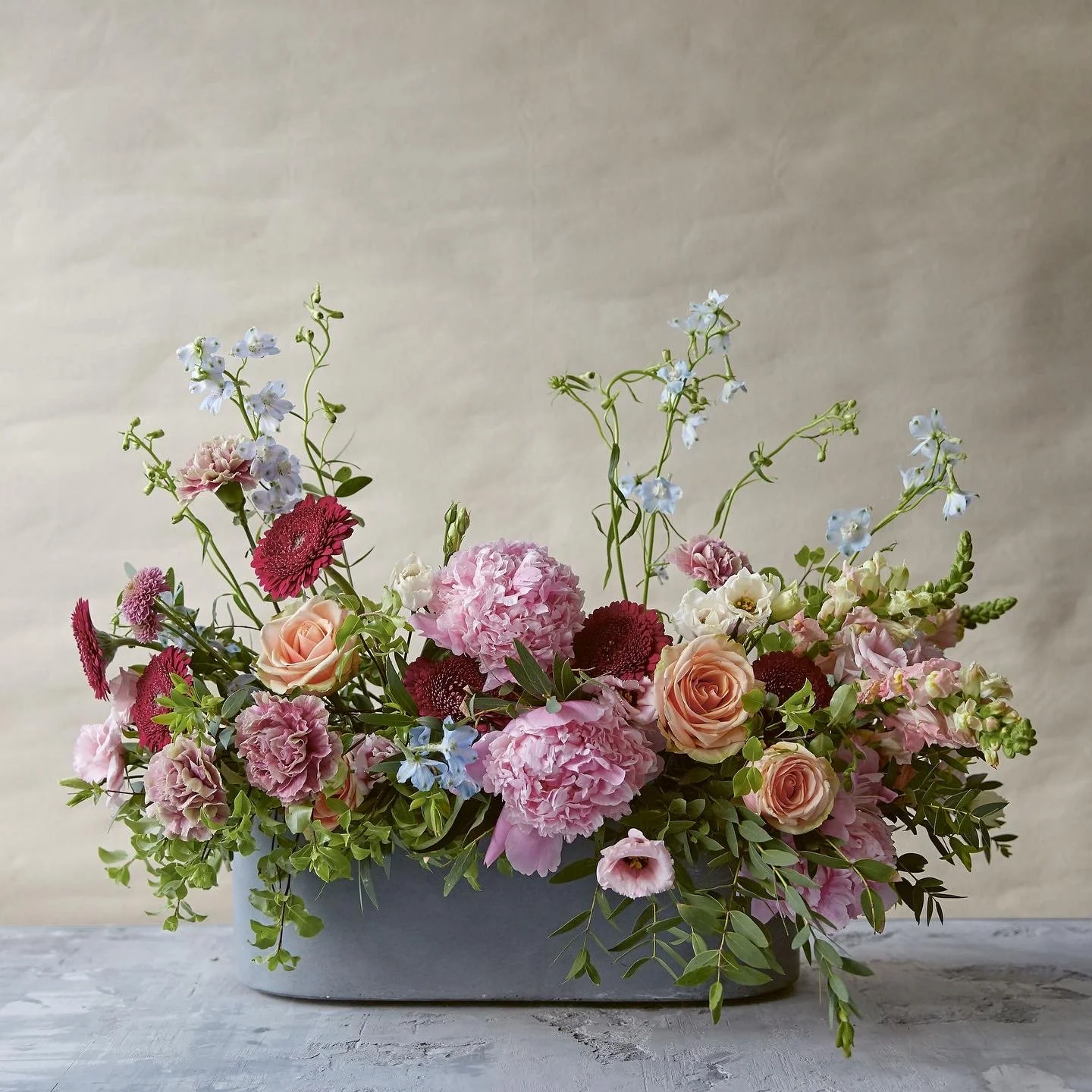
When I look at Floral Evolution now, I don't just see a collection of arrangements. I see a little bit of my journey.
I see the years of learning, the decision to move into floristry, the experience of working with flowers for different people and occasions, the mistakes, the experiments and the things I've discovered along the way. Writing the book gave me the opportunity to share some of that.
But perhaps the most important thing for me is that I hope it encourages people to experiment for themselves. Don't worry too much about getting it perfect.
Pick up some flowers. Move them around. Try something different. Take an arrangement apart and start again. And most importantly, find your own way of working.
Because flowers are constantly evolving — and perhaps our creativity should be allowed to evolve with them. That, for me, is what Floral Evolution is really about.
Like the idea of learning from me?